How Core Beliefs Shape Your Relationships and Personal Boundaries
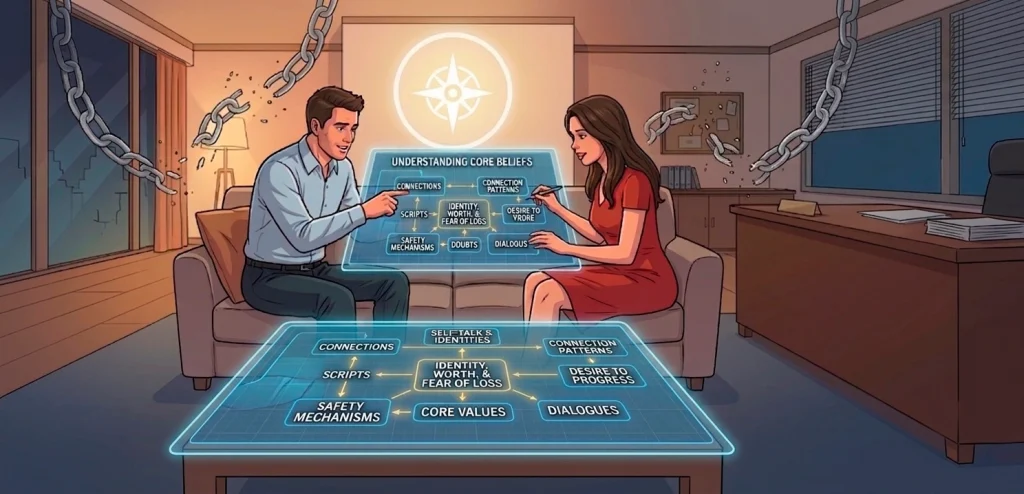
Have you ever wondered why certain arguments keep repeating in your life, or why saying “no” to others feels physically exhausting? The answers rarely lie in surface-level communication tricks or temporary fixes. Instead, the root cause runs much deeper—anchored in the mental frameworks through which we view ourselves, other people, and the world at large.
Understanding how core beliefs affect relationships is the single most powerful step you can take toward transforming your interactions, breaking toxic cycles, and protecting your emotional well-being.
What Are Core Beliefs and Where Do They Come From?
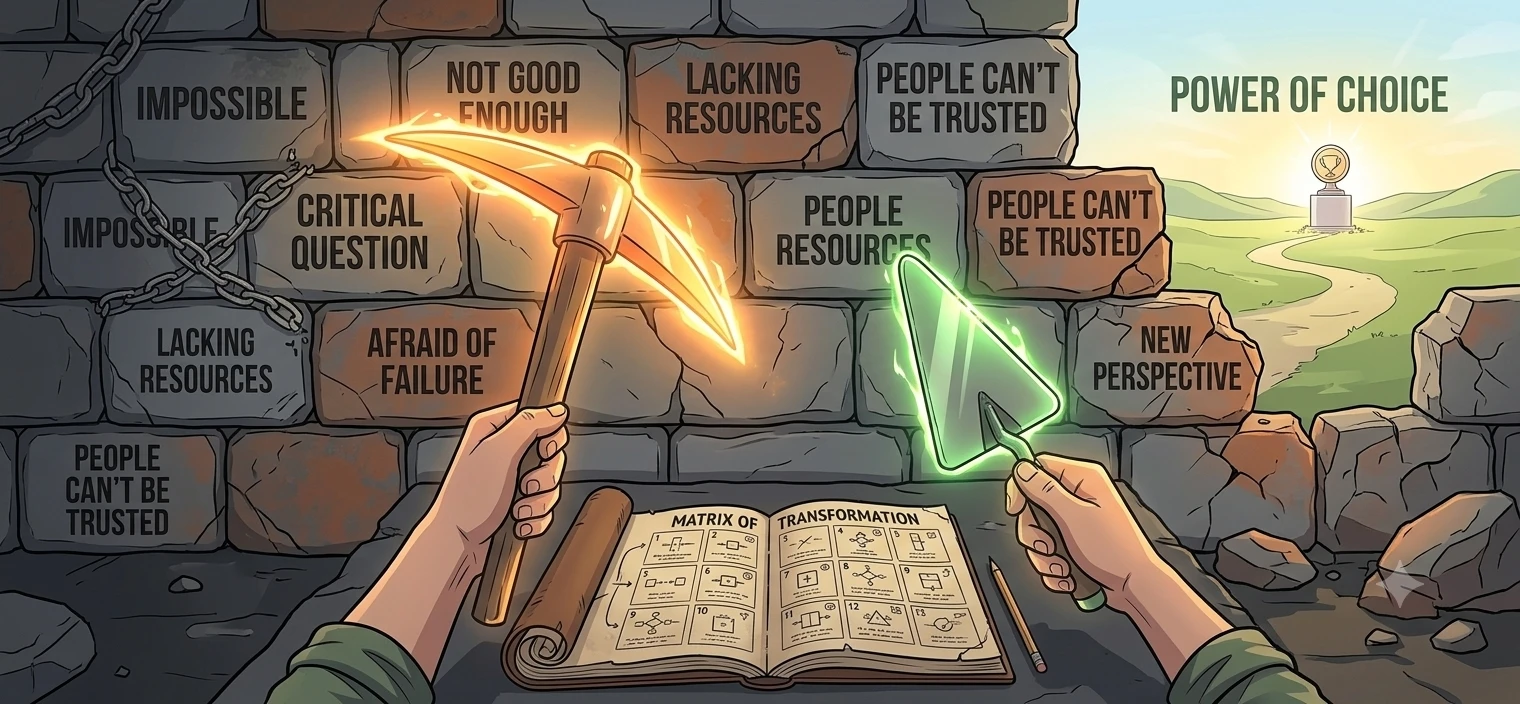
Core beliefs are deeply ingrained assumptions and convictions that we form during childhood and adolescence. They act as absolute truths in our subconscious mind, filtering every piece of incoming information we receive.
Unlike fleeting thoughts, deep seated beliefs form the foundation of our psychological architecture. Examples include:
- “I am inherently worthy of love and respect.”
- “If I show my vulnerabilities, people will leave me.”
- “Conflict always leads to abandonment.”
Because these beliefs feel like objective reality rather than subjective perspectives, we unconsciously build our entire lives—and our relationships—around them.
The Attachment Connection: Core Beliefs in Action
Your core beliefs heavily influence your attachment style—the lens through which you seek safety and connection in adult life:
- Anxious Attachment: Rooted in beliefs like “I am only valuable when I am needed” or “People I love will eventually leave.” This leads to hyper-vigilance, over-analyzing a partner’s mood, and an intense fear of emotional distance.
- Avoidant Attachment: Formed by beliefs such as “Relying on others is dangerous” or “My feelings are a burden.” This prompts emotional withdrawal, extreme self-reliance, and difficulty with true intimacy.
- Secure Attachment: Powered by core beliefs like “I am worthy of love, and others are generally safe and dependable.” This allows for balanced connection, emotional honesty, and easy boundary-setting.

The Hidden Link: How Core Beliefs Affect Relationships
Your relationships serve as a mirror for your inner belief system. When your foundational mental models are marked by insecurity or fear, they manifest directly in how you connect with romantic partners, friends, and colleagues.
1. Attracting Familiar Dysfunction
If a deep-seated belief tells you that you are hard to love, you may unconsciously gravitate toward emotionally unavailable partners. This happens because the dynamic feels familiar, confirming your underlying narrative even if it brings pain.
2. Misinterpreting Partner Behavior
When a partner needs space, someone with a core belief of “I am bound to be abandoned” might interpret that request as a sign of impending rejection. This triggers defensive reactions, panic, or anger, creating unnecessary friction out of a neutral situation.
3. Compromising Autonomy across All Domains
Core beliefs don’t just stay in the bedroom; they follow you everywhere:
With family: A belief like “It is my job to keep everyone happy” makes setting boundaries with overbearing relatives feel like an act of betrayal..
In the workplace: Believing “I must prove my worth through constant production” leads to burnout, accepting unfair workloads, and an inability to delegate.
The Role of Boundaries in Rewriting Your Belief System
Personal boundaries are not walls designed to keep people out; they are guidelines that teach others how to treat you safely. However, setting boundaries requires a fundamental shift in your internal narrative.
- The Fear of Boundaries: If your core belief is “My needs don’t matter,” setting a boundary feels selfish and terrifying. You worry that protecting your time or energy will cause people to reject you.
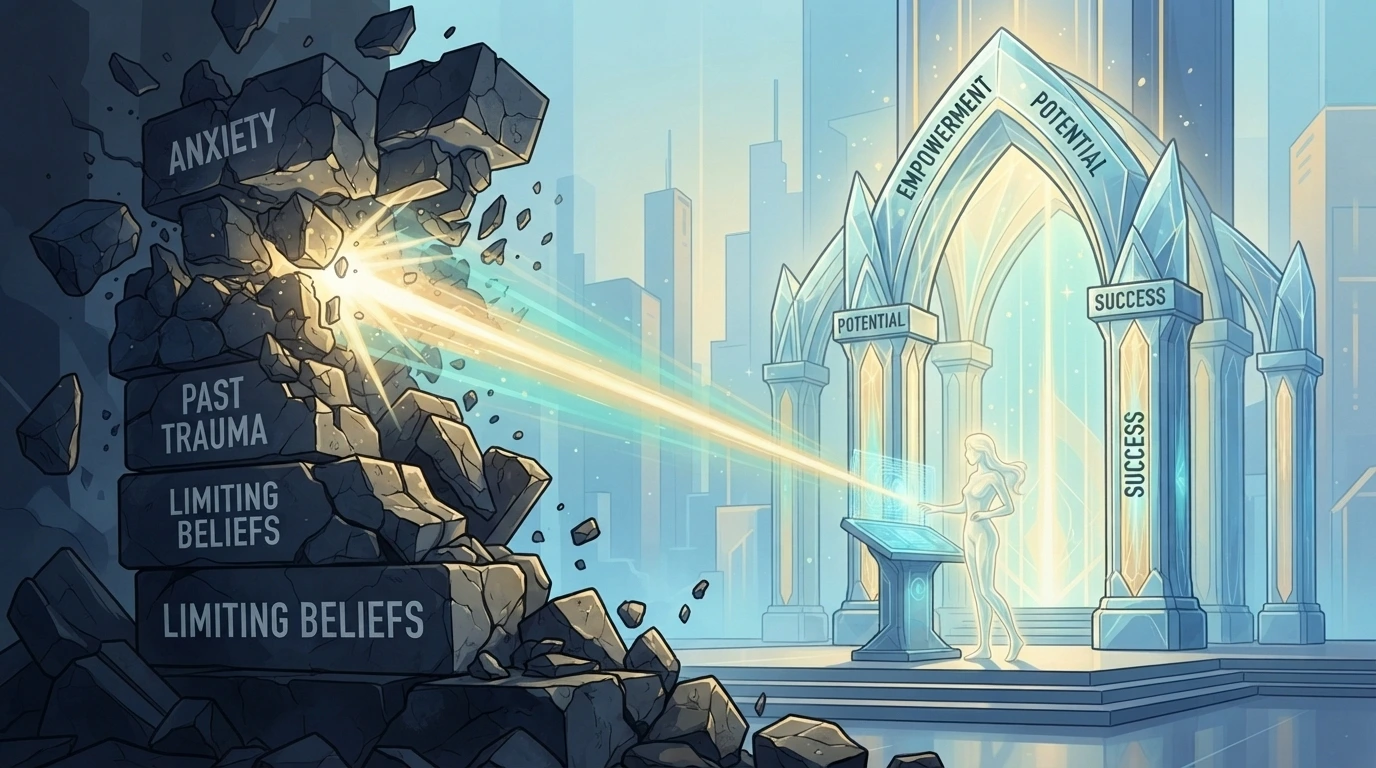
- The Power of Healthy Boundaries: As you challenge your deep-seated beliefs and replace them with self-compassion, setting boundaries stops feeling like an act of aggression and starts feeling like an act of self-preservation.
Practical Steps to Transform Your Core Beliefs
Changing how you relate to others starts with internal transformation. Follow these steps to reshape your emotional landscape:
- Audit Your Triggers: The next time you feel an intense emotional reaction during an argument, pause. Ask yourself: What assumption am I making about myself or this person right now?
- Expose the Root: Trace that reaction back. Is it based on a current fact, or is it an echo from a past experience?
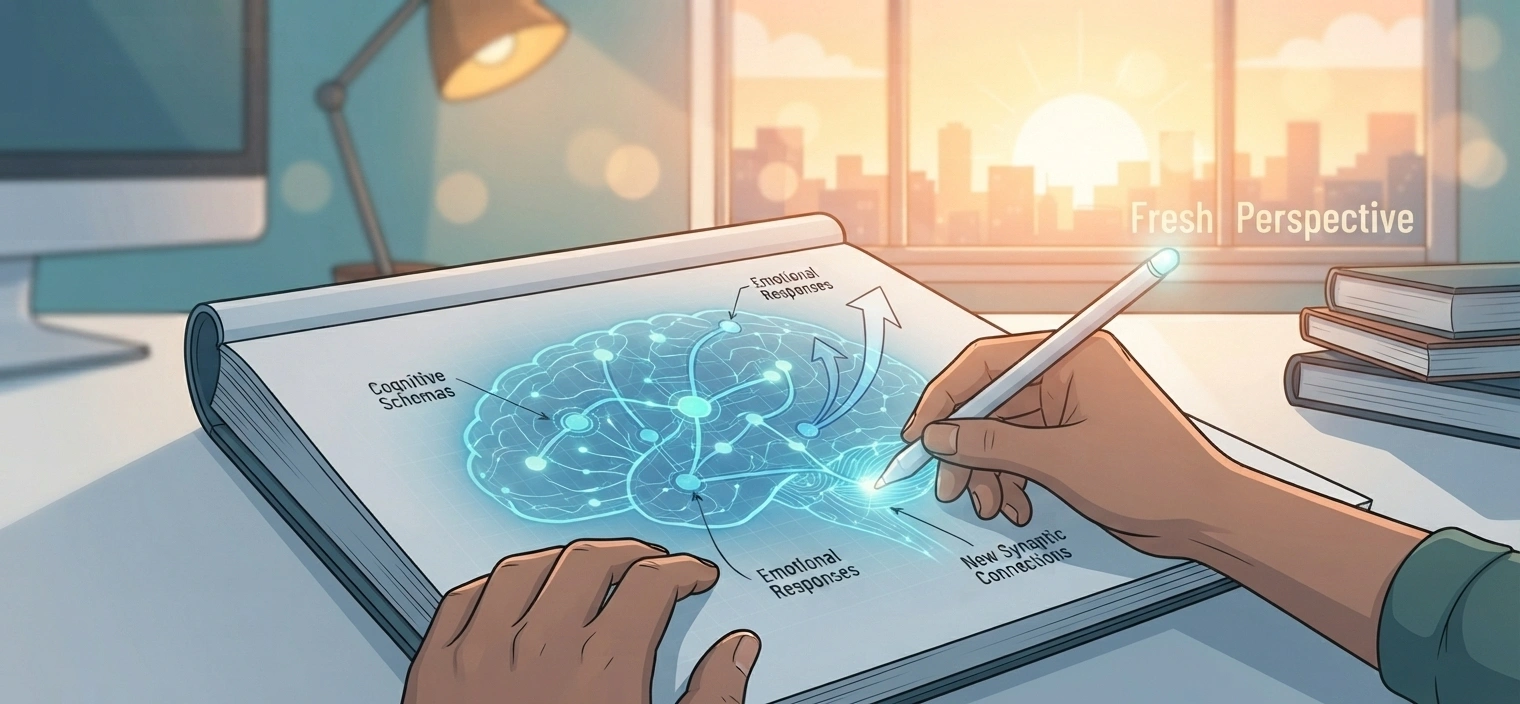
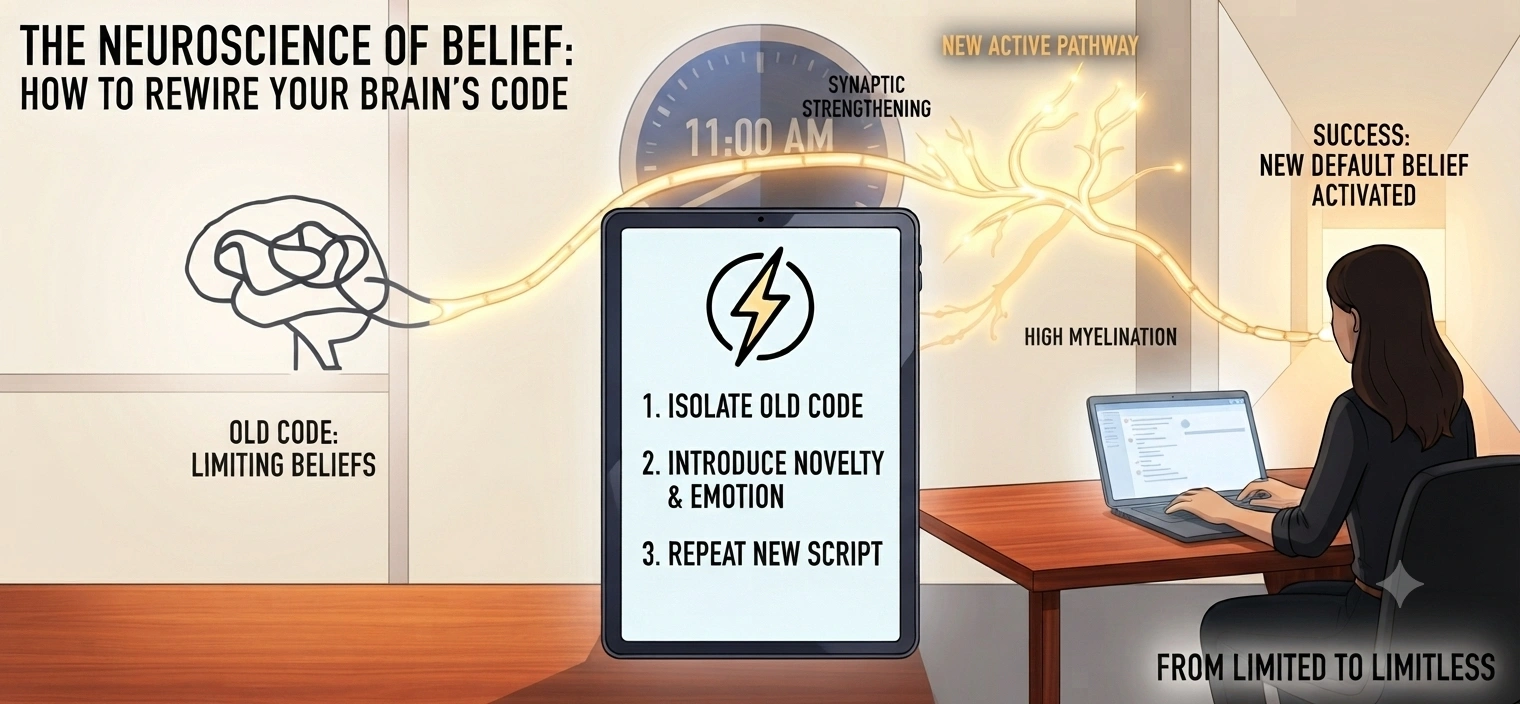
- Reframe the Narrative: Actively replace limiting mental models with empowering alternatives. Shift from “I have to earn love” to “I am worthy of love simply for being.”
- Communicate Openly: Share your internal process with your partner. Vulnerability builds intimacy and diffuses misunderstandings before they turn into conflicts.
Final Thoughts
Your relationships will rarely outgrow the limits of your core beliefs. By investing time into uncovering and healing your deep seated beliefs, you unlock the capacity for deeper intimacy, emotional resilience, and rock-solid personal boundaries. Remember: shifting your internal reality is the fastest way to change the world around you.
Try it for FREE and see how simple it is to rewire negative mindsets. All it takes is 20 minutes!

UP TO 97% OF BELIEFS IN A MONTH!
Transform your Limiting Beliefs using the BCS Online Service
A Simple and Effective Tool for self-reprogramming negative mindsets
I want to try it!